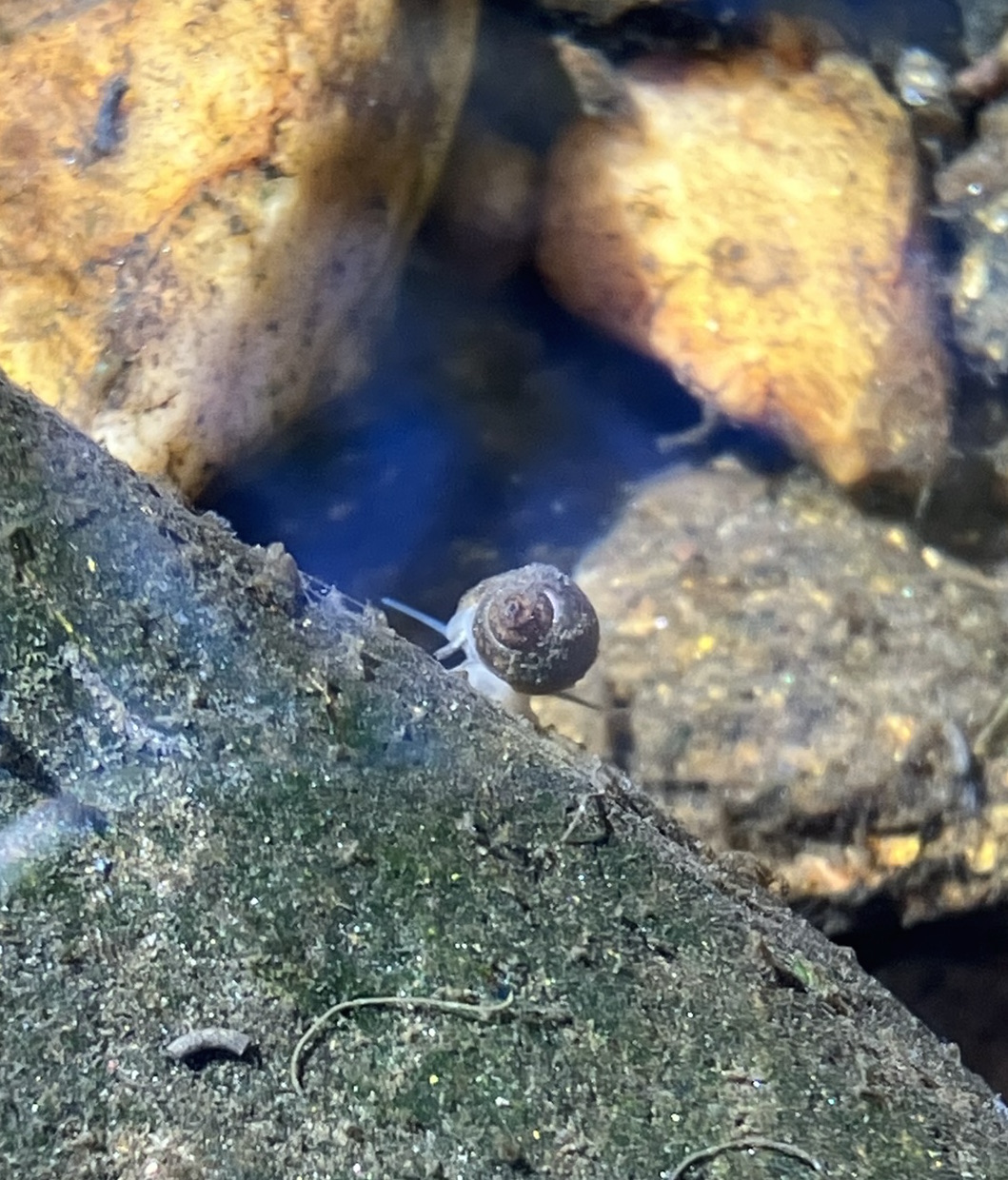
The Conservancy works to understand threats to local waterways and implement solutions. All streams in Lower Merion and Narberth are designated as impaired by the Pennsylvania Department of Environmental Protection, as are most streams in neighboring communities. Some of these impaired streams (including Mill Creek and Vine Creek) flow into drinking water intakes on the Schuylkill River while others (including Cobbs Creek and its tributaries Naylors Run and the East and West Branches of Indian Creek and Naylors Run) contribute to serious downstream flooding in Darby, Yeadon, and Eastwick.
The impairments are caused by our approach to development. Most buildings and roads are designed to channel rain water away as soon as it hits the ground. The water sweeps up pollutants – heavy metals, fertilizers, pesticides, motor oils, road salt, sediment, trash – before being funneled down a storm drain. From there the water is piped into a stream, untreated. The quantity of rain being channeled causes flooding on streets and in streams. While the systemic nature of these issues makes them difficult to take on, they are not insurmountable.